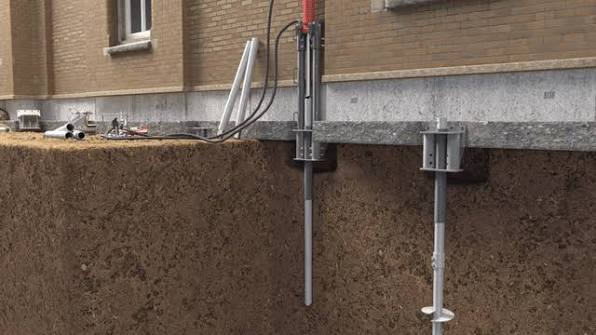
Foundation Cracks in Pier and Beam Homes: Which Ones Matter?
Last updated: September 10, 2026
Key Takeaways
- Track change over 4 to 8 weeks.
- These usually reflect normal seasonal movement, humidity shifts, or joint aging rather than a failing foundation.
- The fifth mistake is assuming every crack is foundation failure.
- Foundation cracks in a pier and beam home matter when they are part of movement, moisture, or failing supports—not just because they exist.
Foundation cracks in pier and beam homes: which ones matter? Foundation cracks in a pier and beam home matter when they are part of movement, moisture, or failing supports—not just because they exist. Seeing cracks and wondering whether they are cosmetic or structural? Treat that as a load-path question, not a paint-line problem, and consult a qualified foundation or structural professional. Because the stakes are real if you guess wrong, speak with a qualified foundation or structural professional about your specific situation before you trust any self-check. Both the American Society of Home Inspectors and the Structural Engineers Association of Texas recommend professional evaluation when cracking is tied to movement or structural change.
What this article applies to, and what I am assuming

Raised on piers, posts, blocks, or a perimeter beam, this applies to a house with a crawl space underneath and a framed floor above. I am assuming you already know the crack is in the house, not in a detached porch, slab patio, or masonry fence. Also, I am assuming you can get a flashlight, a ruler, and a phone camera, and that you can safely enter the crawl space if the access is clear, dry, and stable.
The question here is plain: which cracks are common in pier and beam homes, and which ones usually mean the structure needs attention? Hairline interior drywall cracks are often less concerning than cracks that line up with sloping floors, sticking doors, gaps at trim, rotated piers, or separations that keep changing over time. In a pier and beam home, a 1/16-inch crack can matter less than a floor that drops 3/4 inch over 8 feet.
A generic article would stop at “watch it” or “call someone.” Too vague. Here, the crack matters less than what the house is doing around it. A 1/16-inch diagonal crack above one door can be trivial if the floor is stable. The same crack can be a clue when it appears with a 3/4-inch drop in the floor over 8 feet, rotten sill plates, or a pier that has sunk into soft soil. The Federal Housing Administration’s inspection guidance and the International Residential Code both emphasize context, not crack size alone. That math stops working fast when you ignore the rest of the house.
I am not going to diagnose your home from a paragraph, and neither should you; consult a qualified foundation or structural professional if the pattern is unclear. What I can do is sort the cracks into three buckets: usually cosmetic, worth monitoring, and needs qualified evaluation. If any crack seems to widen, if there is sudden movement, or if you see a structural member damaged, the safer move is to stop treating it as a DIY judgment call and get professional help. The American Society of Home Inspectors recommends that changing cracks be documented and evaluated.
Which cracks are usually cosmetic?
Usually cosmetic cracks are narrow, stable, and limited to finish materials. In a pier and beam home, that often means paint film checking, a thin drywall crack at a taped seam, or a small crack where trim meets plaster. These usually reflect normal seasonal movement, humidity shifts, or joint aging rather than a failing foundation. Many older homes show this kind of movement in the 1/16-inch to 1/8-inch range.
A useful term here is non-structural finish cracking: cracks in surfaces that do not carry the home’s load. Drywall, plaster, joint compound, and paint can crack while the framing underneath remains sound. That distinction matters. A finish crack can look ugly without signaling danger.
First, I would look at width and behavior. A crack that is about pencil-line thin, does not offset one side from the other, and stays the same after a few weeks is less alarming than one that is widening or stepping through multiple surfaces. If the crack is only in one room and there is no matching floor slope, no door binding, and no crawl-space damage, it is more likely cosmetic.
Still, there are limits. A “cosmetic” crack is not a free pass if it crosses a beam line, repeats in several rooms, or returns after patching in the same spot. In a pier and beam house, repeated cracking often means movement is continuing underneath the floor system. Cosmetic repairs over active movement fail fast — sometimes in weeks — because the tape or patch is trying to bridge a moving joint.
And if you are tempted to judge by appearance alone, resist that. I would rather see a small crack with no other symptoms than a perfect wall with a crawl space full of sagging joists and shifted supports. The wall may not show the full condition of the framing.
Which cracks are the ones I would not ignore?
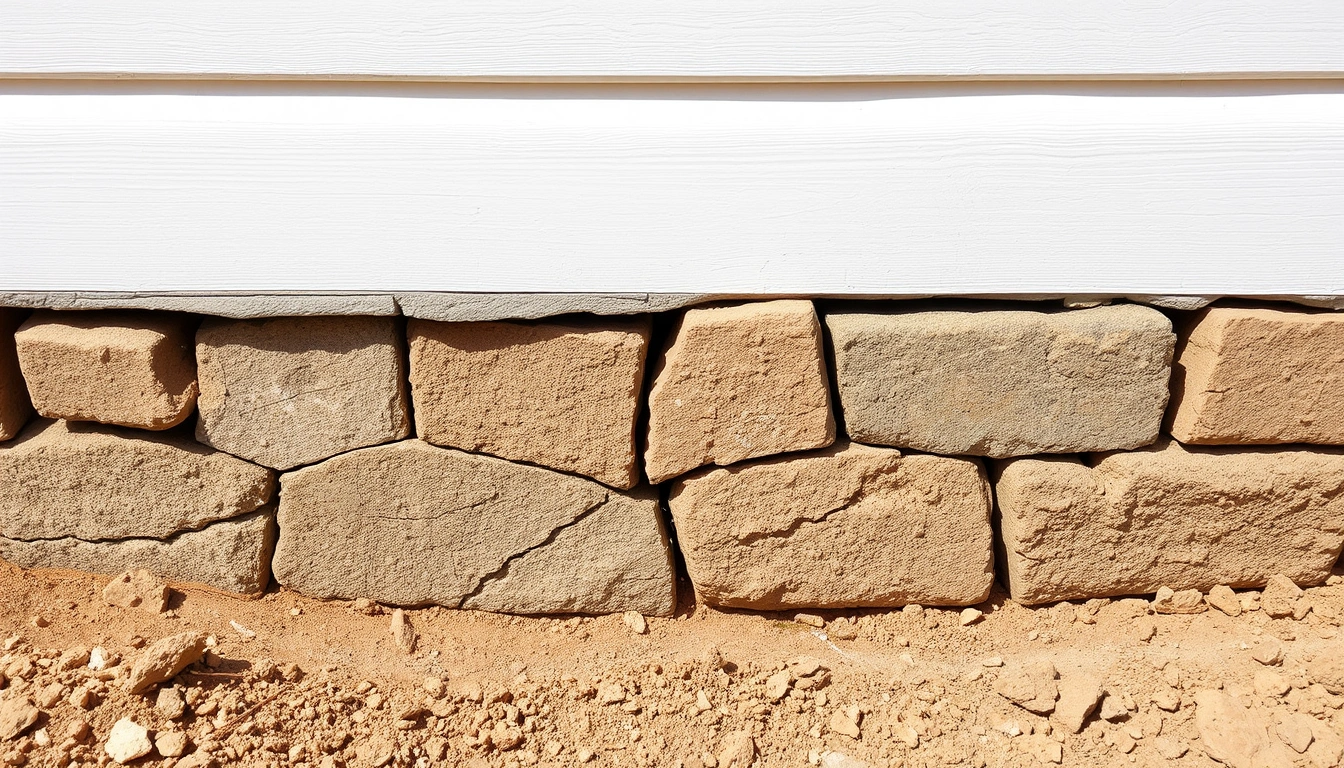
The cracks I would not ignore are the ones that line up with movement, water, or structural separation. In a pier and beam home, that usually means diagonal cracks at openings, stair-step cracks in masonry, cracks that are wider at one end than the other, or gaps that show up between walls, trim, and ceilings in more than one room.
A diagonal crack above a door or window is more concerning when the door starts sticking, the casing pulls away, or the floor beside that opening feels sloped. That pattern can point to differential settlement, which means one part of the support system has moved more than another. In a pier and beam house, differential settlement often traces back to a settling pier, failing shim stack, moisture-softened soil, undersized supports, or rotted wood in the crawl space.
Stair-step cracking in brick or block veneer is another warning sign. Those cracks follow mortar joints and can show that the wall is moving relative to its base. I would treat a new stair-step crack, especially one that grows across a 4-foot or longer section, as more than a cosmetic blemish, and I would have a qualified professional evaluate it. Brick does not lie for long.
Vertical cracks can matter too, but the context decides it. A vertical crack in a drywall seam may be just joint movement. A vertical crack that opens wider at the top or bottom, or one paired with a beam that has dropped, can be part of a larger load problem. The same is true of gaps at the crown molding, baseboard, or floor trim. One small gap is ordinary aging. Multiple gaps in several rooms often mean the floor plane is changing.
What a generic article often misses is the importance of pattern. One crack is a clue. Three related symptoms are a case. If you see cracks plus floor bounce, a chimney pulling away, a pier that is out of plumb, or standing moisture in the crawl space, I would stop thinking in terms of patching and start thinking in terms of structural evaluation.
How do I check a pier and beam crack without making bad assumptions?
I would check it in the same order a careful inspector would: location, width, nearby symptoms, crawl-space supports, and change over time. You do not need special tools for the first pass, but you do need to be exact. Use a flashlight, a ruler marked in 1/16-inch increments if you have one, a phone camera, and a notebook.
- Photograph the crack straight on. Stand close enough that the crack fills the frame and include a ruler or coin for scale. Verify the crack’s exact location by room and wall. A problem is any crack that you cannot relocate later because the photo lacks scale or context.
- Measure the widest point. Record the width at the thinnest and widest spots, even if it is only a hairline. Verify whether it is under 1/16 inch, around 1/8 inch, or larger. A problem is a crack that is wider at one end, which often suggests movement rather than simple drying shrinkage.
- Check for offset. Run your fingertip lightly across the crack and see whether one side sits higher than the other. Verify whether the edges are flush. A problem is a step or lip, because offset can indicate displacement rather than surface splitting.
- Look for companion symptoms in the room. Test doors and windows, and note sticky latches, sloped floors, or baseboard gaps. Verify whether the same room shows 2 or more signs of movement. A problem is a crack paired with binding doors or visible floor slope.
- Inspect the crawl space if it is safe to enter. Look for cracked or shifted piers, damp soil, rot at sill plates, corrosion, or missing shims. Verify whether supports line up under beams and whether the ground is wet. A problem is any damaged support member or standing moisture near a pier.
- Check nearby exterior masonry and siding. Look for matching cracks in brick veneer, block, or stucco. Verify whether the crack continues across materials. A problem is a crack that spans both interior and exterior surfaces, which suggests house movement rather than a finish defect.
- Track change over 4 to 8 weeks. Mark the ends of the crack lightly with pencil or use a dated photo from the same angle. Verify whether it grows, shifts, or stays stable. A problem is any measurable change, even if it is slow.
- Sort by load path. Ask whether the crack sits near a beam line, load-bearing wall, corner, or opening. Verify whether that spot carries weight from above. A problem is a crack that sits directly over a support or along a load-bearing path and keeps changing.
The key is not to ask, “Is the crack big?” Ask, “Is the structure moving where this crack is showing up?” That is the question that actually predicts risk.
When should I stop treating it as a crack and get qualified help?
Stop your own triage when the crack is part of active movement, structural damage, or unsafe crawl-space conditions. In a pier and beam home, that is the line between a watch item and a professional problem. When the picture is fuzzy, consult a qualified foundation or structural professional instead of waiting for the crack to explain itself.
The crack is wider than 1/8 inch and still changing: that usually means movement is ongoing — have a qualified foundation or structural professional evaluate it.
The crack crosses a door or window opening and the door now sticks: that suggests distortion in the frame or floor — do not rely on patching.
There is offset, buckling, or a visible step in the crack: that can indicate displacement, not just surface shrinkage — get an inspection.
You see damp soil, rot, mold, or termite damage in the crawl space: moisture and wood damage can undermine support members — address the source and have the structure assessed.
A pier is cracked, tipped, missing, or sitting on loose blocks: that is a support failure, not a cosmetic defect — stop and get qualified help.
The floor slope is obvious or getting worse: a changing slope often means the load path is failing — do not keep patching walls while the floor moves.
There is a sudden crack after a storm, plumbing leak, or major vibration event: sudden change matters more than old age — document it and have it reviewed promptly.
That last point is where people go wrong most often. They wait because the house is still standing. But a standing house can still be moving enough to cause expensive secondary damage. In a pier and beam home, the crawl space often tells the truth before the drywall does. The National Association of Home Inspectors and FEMA both advise prompt evaluation when cracking follows water, vibration, or sudden change.
The mistakes people make, and what those mistakes cost
The most common mistake is patching a moving crack. A flexible caulk or joint compound can make a wall look better for a while, but if the floor system is still moving, the repair usually reopens. The cost is not just wasted material; it is delayed diagnosis.
The second mistake is judging by crack width alone. A tiny crack at a stable drywall seam is often less serious than a narrow crack that tracks a beam line and appears with sloping floors. The correct alternative is to look at the whole pattern, not the line itself.
The third mistake is ignoring crawl-space conditions because the interior finish looks decent. Pier and beam failures often start under the house: wet soil, soft shims, rotted sill plates, or piers that are no longer carrying load evenly. If you only inspect the living space, you miss the source.
The fourth mistake is adding temporary shims or jacking without understanding load distribution. That can move the problem from one pier to the next or damage framing if done badly. The right move is to have the support system evaluated before any lifting plan.
The fifth mistake is assuming every crack is foundation failure. That is just as unhelpful as ignoring them. Some cracks are ordinary seasonal movement, especially in older homes with plaster, wood framing, and humidity swings. A panic response wastes time and money.
The sixth mistake is failing to document change. Without dated photos and measurements, a crack becomes a vague memory. That makes it harder to tell whether the house is stable over a 4-week or 8-week period. Record the same spot from the same angle; that simple habit makes a real difference.
What changes in older homes, remodeled homes, or after water damage?
Older pier and beam homes need a different lens because age changes the materials before it changes the geometry. A home with original plaster, wood flooring, and older framing can show more finish cracking than a newer house simply because the materials are more brittle and the joints have cycled through more humidity changes.
Remodeled homes are tricky for a different reason. A new wall finish over old framing can hide movement, and additions sometimes sit on different foundations or support systems. If the crack is near a room addition, I would ask whether the old and new parts are moving differently. Differential movement at an addition joint is common enough that it should always be considered.
Water changes the calculation fast. A plumbing leak, poor drainage, or chronic crawl-space moisture can soften soil, swell wood, and shift piers over time. The crack is then a symptom of a moisture problem as much as a structural one. If the house has had a leak in the last few weeks or months, I would treat any new crack with more caution than I would a long-standing hairline seam.
There is also the edge case of seasonal movement. In some climates, small finish cracks appear and settle with humidity changes. That can be normal. What makes it non-normal is recurrence in the same spot, increasing width, or companion symptoms like sagging floors or binding doors. Seasonality explains a crack only when the structure is otherwise stable. Otherwise, it is smoke and mirrors.
One practical rule helps here: if the crack is isolated and stable, it is often a finish issue; if it is one of several signs tied to the floor system, it is a structure issue. That is the distinction I would keep repeating until the pattern is clear.
What does a good outcome look like?
A good outcome is not “no cracks ever.” In a pier and beam home, a good outcome is a stable structure with a crack pattern that does not change. That means doors close normally, floors may have minor unevenness but remain consistent, and repeated measurements over 4 to 8 weeks show no growth.
A good outcome also has numbers behind it. The crack stays at about 1/16 inch, or it stays within the same range. The floor slope, if any, does not increase. The same photo from week one and week eight looks the same. Those are the signs that the house is living with small finish movement rather than active structural change.
If you are unsure whether the pattern is stable, have a professional compare the crawl space, the framing, and the visible cracks. A few hundred dollars for an inspection is usually cheaper than repeated patching, and much cheaper than missing a support problem that keeps spreading. For a pier and beam house, that is the point: foundation cracks pier beam homes are not judged by the crack alone, but by whether the whole system is still carrying load evenly.