Pier and Beam Foundation Repair Cost by Problem Type in Houston
Last updated: September 10, 2026
Key Takeaways
- This is usually the least expensive category, often in the $500–$2,500 range if the issue is local.
- I would expect $1,500–$5,000 for a modest section, and more if the damage runs through several rooms.
- That is often a $3,000–$10,000+ job, especially if access is tight or multiple members are affected.
- A limited pier replacement job may stay near $2,000–$6,000, but larger homes or repeated movement can push the cost much higher.
In Houston, a small shim-and-level job and a rotten sill beam can land in completely different price bands. Night and day. Pier and beam foundation repair in Houston usually costs more when the problem spreads across several bays, reaches beams or joists, or points to drainage trouble beneath the house. For a simple shim-and-level job, I would expect a very different bill than for rotten sill beams, failing wood posts, or crawl-space moisture work. The real answer is not one number; it is a cost by problem type, because that is how these jobs are priced. Before you compare bids, it helps to understand the likely repair category and what kind of work each one includes.
Pier and Beam Foundation Repair Cost by Problem Type in Houston

Pier and beam foundation repair costs in Houston typically range from a few hundred dollars for a minor adjustment to well over $10,000 for major structural repairs, with the final price driven by whether the issue is settlement, wood rot, weak piers, or crawl-space water damage.
Here is the practical way I would break the price out for Houston, Spring, Katy, Sugar Land, Pasadena, and nearby suburbs:
| Problem type | Typical scope | Common cost range |
|---|---|---|
| Re-shimming / minor re-leveling | Adjusting a few piers, correcting small slope | $500–$2,500 |
| Replace damaged wood shims or pads | Localized repair under a limited area | $1,000–$3,500 |
| Add or rebuild concrete piers | New support points in one section | $2,000–$6,000 |
| Replace rotted sill plates / beams | Structural carpentry in crawl space | $3,000–$10,000+ |
| Sister joists / beam reinforcement | Strengthen sagging floors | $1,500–$5,000 |
| Drainage correction tied to foundation movement | Gutters, downspout extensions, regrading, drains | $1,000–$8,000+ |
| Crawl-space moisture remediation | Vapor barrier, dehumidification, ventilation repair | $1,500–$7,000 |
| Major settlement with multiple fixes | Leveling plus structural and moisture repairs | $8,000–$20,000+ |
Those numbers are broad on purpose. Houston homes vary a lot: older pier and beam houses in The Heights or Montrose often need more carpentry work than newer homes in Katy or Cypress, while homes on expansive clay soils in parts of Fort Bend or Harris County can need repeated drainage correction before leveling holds. So, the table is a starting point, not a quote.
Cheap is not always smart. A $1,500 leveling job is wrong for a crawl space with active rot, and a $12,000 rebuild is too much if the house only needs a few piers adjusted and the downspouts extended 10 feet. I would treat any estimate as incomplete until it separates structural repair from water control, and I would ask a licensed foundation or structural professional to confirm the scope. For general foundation guidance, see the International Association of Certified Home Inspectors (InterNACHI) on crawl spaces and moisture issues: https://www.nachi.org/crawl-space.htm.
Why Houston pier and beam repairs cost what they do
Houston pier and beam repairs cost what they do because the same floor slope can come from different causes, and each cause needs a different fix.
The Gulf Coast climate matters. Houston gets heavy rain, long humid periods, and flood-prone stretches in low-lying areas. That combination is rough on crawl spaces. Moisture invites rot, rust, and shifting soils. In many neighborhoods, the ground moves with wet and dry cycles, especially where clay content is high. A pier can look fine from the outside while the beam above it has softened from long-term moisture.
So the bill often covers more than lifting the house. It may include:
– Crawl-space access work
– Temporary support jacks
– New concrete or masonry piers
– Wood replacement
– Mold or moisture corrections
– Drainage fixes outside the home
Houston permit rules also matter. Structural work may trigger a permit through the local jurisdiction, and some cities in the metro area have their own inspection process even when the home is not inside Houston city limits. If the work changes structural members or adds support, I would expect the contractor to talk plainly about permits, engineered plans if needed, and inspection timing. If that conversation never happens, that is a warning sign.
Older neighborhoods like East End, Bellaire, Memorial, or Garden Oaks can bring higher costs because access is tighter and the framing may not match modern dimensions. In Friendswood, Pearland, or League City, moisture and drainage can matter just as much as the foundation itself. For more on soil movement and home foundations, Texas A&M AgriLife Extension has useful background on Texas soils and shrink-swell behavior: https://extension.tamu.edu/.
What problem type is actually under your house?
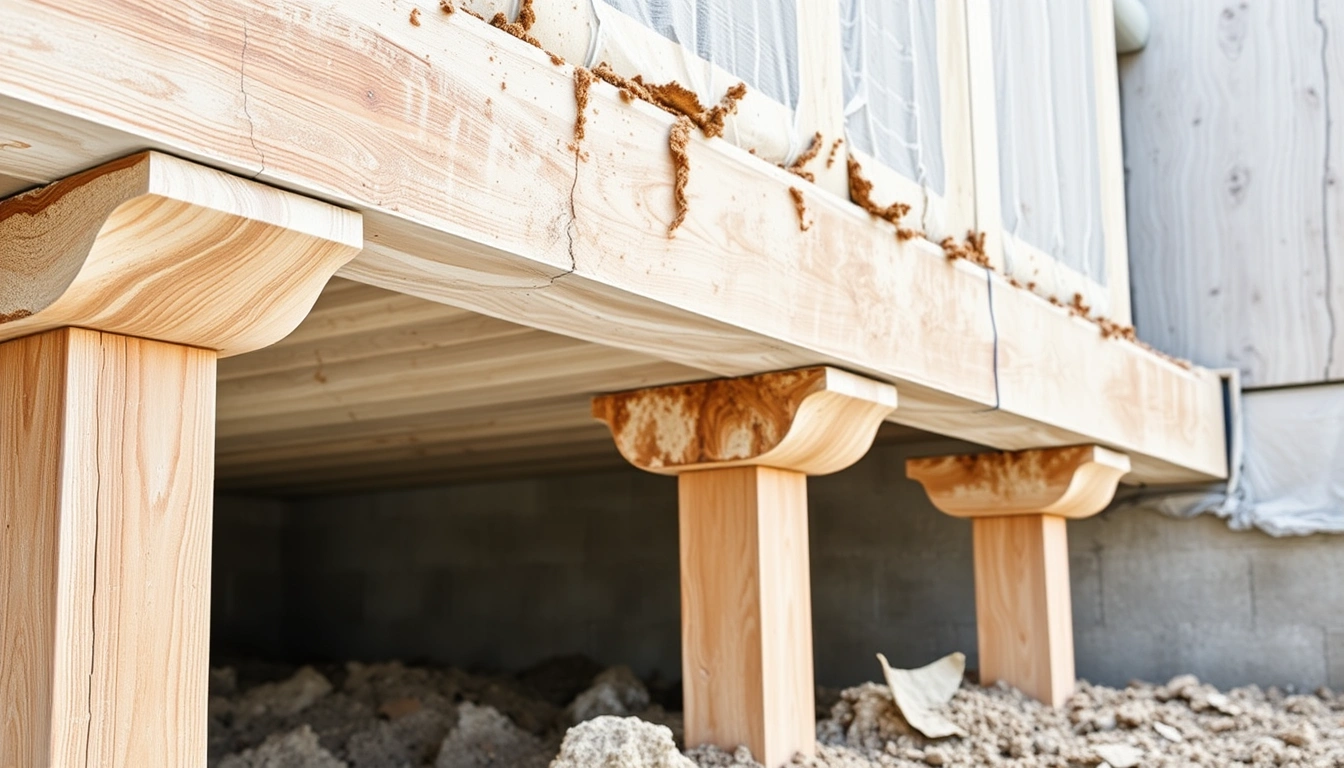
The problem type under your house determines whether you are paying for leveling, carpentry, or drainage work.
A pier and beam house does not fail in one standard way. I would separate the common issues like this:
1) Floor slope without visible rot
Uneven flooring with sound joists, beams, and sill plates usually points to re-leveling. In Houston, that often means adjusting or replacing shims, resetting piers, or adding support under a low side. This is usually the least expensive category, often in the $500–$2,500 range if the issue is local. Pretty modest. Really.
2) Sagging floors from weak joists or beams
A floor that feels soft or drops in a hallway or living room may point to structural lumber instead of pier height. Sistering joists or reinforcing beams takes more labor than simple leveling. I would expect $1,500–$5,000 for a modest section, and more if the damage runs through several rooms.
3) Rot in sill plates, beams, or joists
This is where costs climb fast. In Houston’s humidity, wood in a crawl space can decay for years before anyone notices. Once a sill beam or joist end is rotten, the repair can require lifting the house section, replacing wood, and then resetting supports. That is often a $3,000–$10,000+ job, especially if access is tight or multiple members are affected. Rotten wood is a money pit.
4) Settled or failing piers
If the supports themselves are the issue, the contractor may need to add new piers or rebuild existing ones. Concrete piers, block piers, and modern support systems all change the price. A limited pier replacement job may stay near $2,000–$6,000, but larger homes or repeated movement can push the cost much higher.
5) Water and drainage problems
If the soil under the house keeps getting wet, repair costs should include drainage. That can mean gutters, downspout extensions, grading, French drains, or crawl-space moisture control. This is where many homeowners underbudget. If the water source is ignored, the foundation movement may come back within a few rainy seasons.
A generic article often lumps all of these together as “foundation repair.” That is too vague to help a homeowner decide what to do next in Houston, where moisture and soil movement are part of the problem almost every time. In practice, the right repair depends on which of these issues is actually present.
How long does pier and beam foundation repair take?
Most pier and beam foundation repairs in Houston take 1 to 5 days, but larger structural jobs or drainage-linked repairs can take a week or more.
A minor leveling job on a small section may finish in a single day. If the crew is replacing piers, rebuilding beams, or working under a cramped crawl space, I would expect 2 to 4 days for the structural work alone. If the contractor also has to address drainage outside the home, add more time for grading, trenching, or material drying.
Weather matters in Houston. Heavy rain can delay excavation or drainage work, and saturated soil makes certain repairs less reliable. Spring and early fall are often easier than periods of sustained summer downpours or hurricane-season disruptions. That does not mean you should wait months if the house is actively moving. It means the schedule may be more predictable when the ground is not soaked.
If the crawl space is low and muddy, access alone can slow the job by 1 or 2 days. Standing water, a musty odor, or visible fungal growth on framing members may push the contractor toward moisture remediation first or in parallel. It adds cost, yes. But it also improves the odds that the repair sticks.
What changes the price in Houston neighborhoods and nearby towns?
The price changes in Houston neighborhoods and nearby towns because access, soil, age of the house, and drainage conditions are not the same from The Heights to Katy to Pasadena.
I would expect cost pressure in these common situations:
- Older bungalows and cottages in The Heights, Montrose, East End, and Oak Forest: tighter crawl spaces, mixed framing sizes, and older wood often increase labor time.
- Flood-prone or low-lying areas near bayous or older drainage corridors: more water control work may be needed before leveling.
- Homes in Katy, Cypress, and parts of western Houston: expansive clay and repeated soil movement can make re-leveling a recurring need if drainage is not fixed.
- Homes in Sugar Land, Missouri City, Pearland, and Friendswood: settlement and moisture issues can overlap, especially where grade and runoff are poor.
Service area matters too. A contractor serving Houston, Bellaire, West University Place, Spring, Humble, Pasadena, Deer Park, Katy, Sugar Land, Pearland, and The Woodlands may charge differently depending on travel, access, and the type of house. I would not treat a flat phone estimate as meaningful until a professional inspects the crawl space in person and the problem is classified correctly.
Local soil is a big reason. The Houston metro has clay-heavy areas that shrink and swell with moisture changes. That is why drainage correction is not optional in many cases. A repair that ignores soil movement is a short-term fix.
For code and permit questions, I would look to the City of Houston permitting process and to the Texas Department of Licensing and Regulation for any regulated contractor or trade issues. If the job needs engineering, ask for that before the work begins.
Helpful references:
– Texas Department of Licensing and Regulation: https://www.tdlr.texas.gov/
– City of Houston Permitting Center: https://www.houstonpermittingcenter.org/
– U.S. Department of Housing and Urban Development, moisture and mold guidance: https://www.hud.gov/program_offices/healthy_homes
How to vet a pier and beam contractor before you book
You should vet a pier and beam contractor by asking what problem type they are pricing, whether the estimate includes crawl-space moisture work, and whether permits or engineering are needed for the repair.
A good Houston estimate should name the failure, not just the symptom. “Floor is low in the den” is not enough. I want to see whether the contractor identified:
– Settlement at specific piers
– Rot at sill beams or joist ends
– Moisture intrusion under the home
– Drainage defects outside the foundation
– A need for shimming, pier replacement, or carpentry
I would also ask how they handle inspection of the crawl space. If they can’t explain how they measured slope, where the framing failed, or why one area needs a beam repair and another does not, the quote is probably thin.
Watch for these red flags:
– A low price with no crawl-space inspection
– A promise that the house will be “perfectly level” in every case
– No mention of drainage when the crawl space shows moisture
– No written scope for beams, piers, shims, and moisture work
– Pressure to sign before the problem type is clear
A quote can be cheap because it only covers the easiest part. That is not a bargain if the house needs a larger structural fix 6 months later. If you are comparing contractors, review related guidance on foundation repair in Houston and crawl space repair so you can compare scopes, not just prices.
When is the best time of year to do this in Houston?
The best time of year for pier and beam foundation repair in Houston is often the drier part of the year, with spring and early fall frequently easier than long wet stretches or hurricane-season interruptions.
I would not wait for a “perfect” month if you have sticking doors, worsening floor slope, or visible rot. In a pier and beam house, delay can turn a modest repair into a larger one. A soft beam or wet crawl space does not improve on its own.
Timing affects the quality of the work, though. Dry soil is easier to assess, and drainage corrections are easier to verify. If the ground is saturated, a crew may have to come back to finish grading or to confirm final elevations after the soil settles. Houston homeowners in Meyerland, Westbury, Clear Lake, and other flood-prone areas should be especially careful about this, because rain patterns can change the diagnosis.
If your home has active moisture under it, I would schedule sooner rather than later and ask for a repair plan that includes both structural and water-control steps. A 2-day delay to get the right scope is better than a rushed repair that misses the cause. For weather and storm planning, the National Weather Service Houston/Galveston office is a reliable source: https://www.weather.gov/hgx/.
FAQs about pier and beam foundation repair cost in Houston
Pier and beam foundation repair cost in Houston can be confusing, so here are the questions I hear most often.
Can I get a same-day estimate?
You can often get a same-day phone ballpark, but a real estimate usually needs an on-site crawl-space inspection and may take 30 to 90 minutes. For structural work, I would not rely on a phone-only quote.
Do I need emergency foundation repair?
Urgent repair may be needed if floors are dropping fast, beams are visibly cracked, there is standing water under the house, or doors and windows suddenly stop operating. Emergency service is more about preventing further movement than finishing the whole job in one day.
Is a free estimate common?
Yes, free estimates are common for residential foundation work in Houston, but the scope can be narrow. Free does not always mean thorough, so ask what the inspection includes and whether crawl-space access is part of it.
Can pier and beam repairs be done in stages?
Yes, and that is often smart when the budget is tight. I would usually put the highest-risk structural damage first, then drainage, then cosmetic repairs. Just do not separate them so far apart that the same moisture problem keeps damaging the frame.
What if I only need one section fixed?
That can be a smaller, cheaper job, often under $3,000 if it is limited to a few piers or a short run of framing. But the contractor should still check the rest of the crawl space so the “one section” is not hiding a broader problem.
If you are comparing bids in Houston, Spring, Katy, Sugar Land, Pasadena, or nearby suburbs, the safest choice is the one that names the problem type clearly, explains the moisture conditions under the house, and matches the repair to the cause instead of the symptom.