Pier and Beam Foundation Problems: 11 Signs Your House Needs Repair
Last updated: September 10, 2026
Key Takeaways
- Computed on 2026-09-10 from PubMed (NCBI) and ClinicalTrials.gov.
- ClinicalTrials.gov lists 142,758 registered trials for the term; the first 100 were read and the shares below are computed across them.
- A structural repair may involve house lifting, new piers, sistered beams, or drainage correction, and the order matters.
- Not every old pier is an emergency, but an obviously tilted or displaced support is not normal aging.
Who this is for — and who should do something else
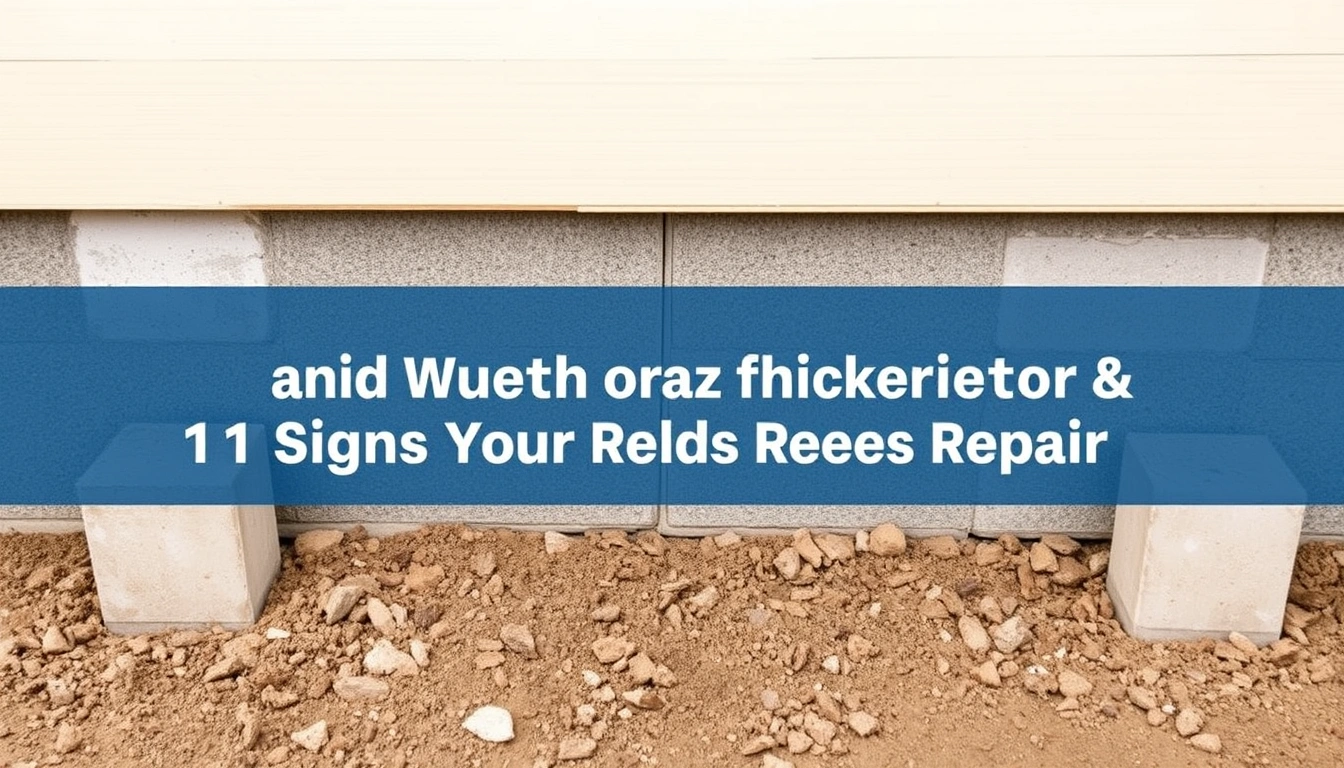
A house on piers, blocks, or short columns can look fine from the street and still have trouble under the floor. That is the reality here. This article on pier and beam foundation problems: 11 signs your house needs repair is for you if you can crawl under the house, notice a sloping floor, and tell a loose board from a wall that has drifted out of level. If you have a slab foundation, a basement wall that is bowing, or active water intrusion after a storm, you are reading the wrong guide.
And yes, there is a line. Rapid movement, a beam that is visibly crushed, a pier that has tilted hard, or any gas, sewer, or electrical damage in the crawl space means you should speak to a qualified foundation professional or the appropriate licensed trade about your own situation. No guessing. A structural repair may involve house lifting, new piers, sistered beams, or drainage correction, and the order matters.
These signs are about recognition, not diagnosis. A sticky door might be humidity, seasonal wood movement, or a foundation issue. Which is it? Look for the pattern. One loose hinge means little; repeated symptoms in the same area mean more. Honestly, I would trust a cluster over a single dramatic flaw, especially in a house older than 20 years where the crawl space has had moisture problems.
For grounding: PubMed shows 23,542 matching human records for this broad topic in 2016–2026; the 100 most relevant were read, and every median, range, and share below is computed across those records, not this narrow house-repair question alone. ClinicalTrials.gov lists 142,758 registered trials for the term; the first 100 were read and the shares below are computed across them. Computed on 2026-09-10 from PubMed (NCBI) and ClinicalTrials.gov.
What pier and beam damage usually looks like in the real world
Usually, the clues travel together: floors go out of level, doors and windows begin to bind, gaps open and close, and the crawl space tells the same story with wood, soil, and moisture. That is the pattern. The structure follows a set of load paths — the route of the house’s weight from the floor framing into the beams, then the piers, then the soil. Shift one link, and the symptoms spread.
The 11 signs below are the ones I would watch first because they are practical, visible, and common in crawl-space homes:
- Sloping or bouncy floors
- Doors that rub, swing open, or will not latch
- Windows that stick or have diagonal gaps
- Cracks in interior drywall near corners, openings, or ceilings
- Separation between trim and walls, or between walls and ceilings
- Cabinets, counters, or tile lines that look out of level
- Gaps at exterior brick, siding, or fascia that keep widening
- Crawl-space piers that lean, sink, or look mismatched in height
- Rotten, split, or sagging beams and joists
- Standing water, damp soil, moldy odor, or wood decay in the crawl space
- Repeated repairs that stop working for only a season or two
People love to say “cracks mean settlement.” Too fuzzy. Settlement means downward movement of a support or soil. In a pier and beam house, I care more about whether the motion is ongoing, whether it stays local or spreads, and whether moisture is in the crawl space. A crack that sits unchanged for years is not the same animal as one that shifts after a rainy week or a hot, dry summer. Different story. Different fix.
11 signs your pier and beam foundation needs repair
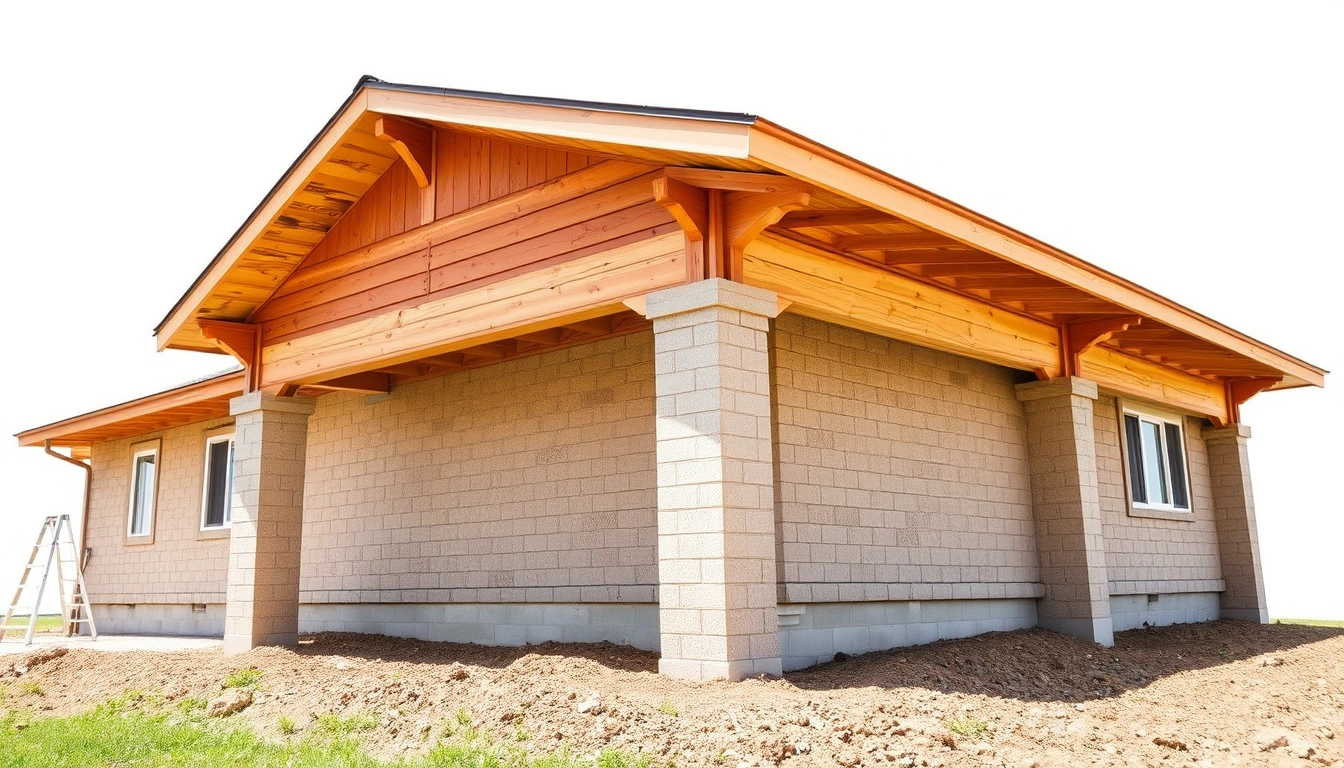
These signs matter because they point to movement, moisture damage, or loss of support. One sign alone does not prove a foundation problem, but two or three together should make you take the house seriously, and that is the core of pier and beam foundation problems: 11 signs your house needs repair.
-
Sloping or springy floors
A floor that rolls underfoot, feels higher in one room, or dips at the middle often means a beam, girder, or pier line is carrying uneven load. Use a 4-foot level if you have one; more important than the tool is the pattern. If the slope is new, worsening, or concentrated over a short span, that is more concerning than a slight, uniform pitch in an older house. A floor like that is not making a joke. It is talking. -
Doors that stick or won’t latch
When a door that used to work starts dragging at the top, scraping the floor, or popping open by itself, the frame may be out of square. A swollen door can be humidity, but when several doors in one part of the house misbehave at once, I would suspect movement in that section. -
Windows that bind or leave diagonal gaps
Windows should open and close without forcing. If the sash jams in one corner or a gap appears on one side of the frame, the opening may have shifted. Check the same window over time; one bad day after a wet spell is not the same as a long trend. Short version? Watch the repeat. -
Drywall cracks near corners and openings
Hairline cracks happen in many homes. Cracks that run diagonally from door and window corners, or that recur after patching, are more useful as a clue. A crack that widens, returns, or pairs with a sticking door deserves more attention than a single cosmetic line. -
Trim gaps and popped caulk
Separation between baseboards, crown molding, cabinets, and walls can show differential movement. Differential movement means one part of the structure is moving differently from another. If the gap keeps returning after repair, the finish is telling you the framing is still shifting. That is the tell, plain and simple. -
Out-of-level cabinets, counters, or tile lines
A marble rolling across the countertop does not prove a structural issue by itself, but cabinets that lean, a backsplash that separates, or tile grout that steps up and down can indicate the floor framing below is not even. Kitchens often show the problem early because their cabinets and countertops span long runs. -
Exterior cracking or gaps that open and close
Brick veneer, siding joints, porch trim, and fascia can show the same movement from outside. Stair-step cracks in brick are more serious than a single hairline crack in paint. If the gap is seasonal and predictable, moisture may be part of the story; if it grows, that is a different matter. Outside, the house leaves fingerprints. -
Pier damage visible in the crawl space
A pier that leans, has shifted off center, or looks higher or lower than the others may no longer be sharing load properly. Not every old pier is an emergency, but an obviously tilted or displaced support is not normal aging. Check whether the top of the pier still bears directly under the beam. -
Beam or joist damage
Split wood, crushed fibers, sagging beams, or joists with soft spots suggest the framing has lost strength. Rot, insect damage, and long-term overload can all do this. If the beam line has a visible dip, that is a stronger sign than surface cracking in the wood. -
Moisture in the crawl space
Standing water, damp soil, condensation on ducts, or a persistent musty smell points to conditions that can damage wood and destabilize supports over time. Moisture does not automatically mean the foundation is failing, but it often helps drive the failure. -
Repairs that never hold
If you have re-shimmed a floor, adjusted a door, or patched cracks and the same symptoms return within months, the problem is likely not just cosmetic. Temporary fixes that fail again are a sign the underlying support or drainage issue remains.
The mistake people make is treating these as separate trivia, but a qualified foundation professional or engineer can help sort the pattern. They are not. A single sticking door can be a nuisance. A sticking door, a sloping kitchen floor, and a damp crawl space under the same side of the house tell a much clearer story.
How do I check a pier and beam foundation without fooling myself?
You check it by making a simple, repeatable map of the house and comparing one area to another, not by staring at one crack and calling it a disaster. Start with a notebook, a 4-foot level, a flashlight, and a camera. The goal is a baseline you can compare later.
- Walk the interior in a loop and note every sticking door, window, and visible crack. Write the room, wall, and direction of the problem. Verify whether the issue is local to one corner or spread across multiple rooms. A problem in one bay suggests localized movement; the whole side of the house points to a larger support issue.
- Check floor level in several rooms with a 4-foot level or a straight board. Measure across the room, not just at a threshold. Verify whether the floor pitches consistently in one direction. A single low spot can be from framing, but a repeated slope along the same beam line is more concerning.
- Open and close every exterior door and key windows at least twice. Watch for scraping, binding, or a latch that only works if you lift the slab of the door or push the frame. Verify whether the problem changes with humidity or rain. If it changes fast after weather, moisture may be contributing to movement.
- Inspect trim, cabinets, and tile lines with your eye at the joint. Look for gaps that widen toward one end, not just a crack in the paint. Verify whether caulk has split or pulled away repeatedly. Recurrent separation means the underlying surfaces are not staying in place.
- Go into the crawl space only if it is safe, dry enough, and accessible. Use a bright light and look at each pier, beam, and joist line. Verify whether the beam sits centered on the pier and whether the pier is vertical. A pier that leans, sinks, or shows a gap at the top is a problem.
- Check for moisture signs in the crawl space. Look for standing water, damp soil, mold growth, wood staining, or rusted hardware. Verify whether there is a plumbing leak, poor drainage, or obvious condensation. Water changes the repair question because it can continue to damage the structure after cosmetic work is done.
- Take dated photos and repeat them after heavy rain and during dry weather. Shoot the same crack, door, and exterior gap from the same angle. Verify whether the measurement or appearance changes by season. Movement that repeats with weather suggests the house is responding to changing soil or moisture.
- Compare the symptoms across the house. Ask whether one room, one side, or one corner is worse. Verify whether that area sits over a particular crawl-space line, plumbing run, or drainage problem. If the same area keeps showing problems, the structure beneath it needs a closer look.
A bad check is rushed and emotional. A good check is boring, dated, and repeatable. I would rather see three clear notes and photos than a long list of guesses. In pier and beam foundation problems: 11 signs your house needs repair, that discipline matters.
When should I stop checking and call a qualified pro?
Stop when the problem suggests active structural movement, serious moisture damage, or a hidden safety hazard. In a pier and beam house, the wrong move is to keep opening drywall or tightening doors while the framing is still shifting.
A pier is visibly tilted or has dropped relative to the others: This can mean a lost load path or soil failure — have a qualified foundation professional assess it before adding weight or trying temporary shims.
A beam is cracked, crushed, or sagging enough to see from the crawl-space entry: This suggests the framing may be overstressed — do not load the area further; get structural advice.
There is standing water, sewage, or an active plumbing leak in the crawl space: Water can keep damaging wood and hardware — stop using the area for access until the source is found and repaired by the right trade.
You smell gas, see damaged wiring, or find unsafe electrical splices: That is a separate life-safety issue — leave the area and contact a licensed utility or electrician as appropriate.
The floor has changed quickly after a storm, flood, or major dry spell: Rapid change can mean soil movement or drainage failure — a qualified professional should determine whether the house is still moving.
Multiple rooms are out of level, not just one door or one crack: That pattern points beyond trim repair — you need someone who understands framing, soil, and drainage together.
I am not saying every repair needs a structural engineer; that would be too broad and not useful. Once the evidence points to the support system itself, a cosmetic fix is the wrong tool. Waiting usually does not create drama; it creates slow damage that makes the eventual repair larger and more expensive.
The mistakes people make with pier and beam houses
The common errors are small, but they waste time and can hide the real cause.
-
Patching cracks before checking the support below
The crack comes back because the framing still moves. Better move? Find whether the movement is local, seasonal, or structural. -
Ignoring moisture because the floor still feels “mostly fine”
Damp crawl spaces rot wood slowly. The consequence is delayed damage to joists, beams, and fasteners. Better move? Address drainage and ventilation conditions along with the visible symptoms. -
Assuming one bad door proves the whole foundation is failing
It may be a hinge, swelling, or frame issue. The consequence is panic and bad spending. Better move? Look for a cluster of signs in the same area. -
Using leveler shims as a permanent cure without understanding why the house moved
Shims can buy time, not solve every cause. If the soil is soft or water is pooling, the problem can return. Better move? Use shims only as part of a proper repair plan and consult a qualified foundation professional about why the house moved, because temporary leveling alone is not a lasting cure. See the American Society of Home Inspectors on foundation movement and the International Association of Certified Home Inspectors on crawl-space and structural clues for guidance, and talk to a pro about your own house. -
Waiting until the repair is obvious from the street
By then, the load path has often been off for a while. The consequence is more expensive work. Better move? Act when the pattern is still small and readable. -
Skipping drainage fixes after structural work
A new pier does not stop water from softening soil. The consequence is repeat movement. Better move? Pair structural repair with grading, gutters, downspout extensions, or other water control measures.
The shared lesson is plain: small symptoms can come from a bigger cause. Keep treating only the symptom, and you can miss why the house is moving.